"Dream, Dream, Dream! Conduct these dreams into thoughts, and then transform them into action."
- Dr. A. P. J. Abdul Kalam
"Dream, Dream, Dream! Conduct these dreams into thoughts, and then transform them into action."
- Dr. A. P. J. Abdul Kalam
27 Feb 2026
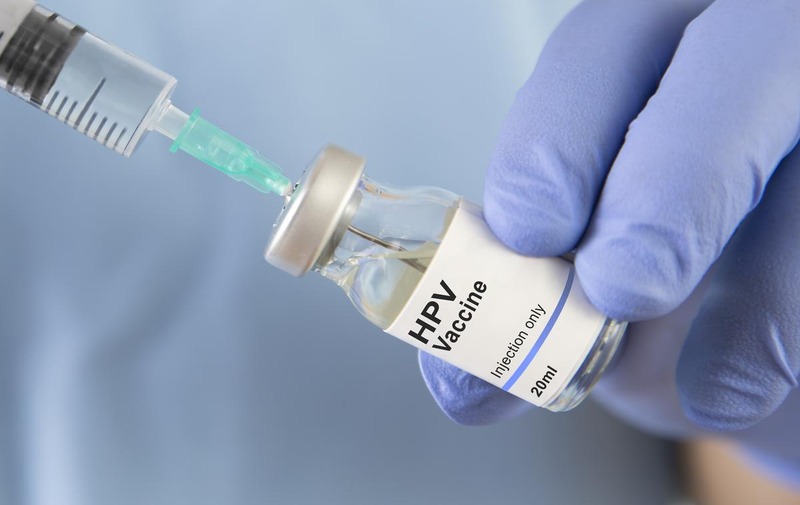
In a landmark move for women’s health, the Union Health Ministry is set to launch a nationwide Human Papillomavirus (HPV) vaccination programme targeting adolescent girls aged 14 years. This initiative, voluntary and free of cost, aims to protect young girls from HPV infection, the leading cause of cervical cancer, well before they are exposed to the virus. By making the vaccine accessible to girls across socio-economic backgrounds, the government is taking a major stride toward equitable healthcare and long-term prevention of one of the most common yet preventable cancers in India. The program will cover nearly 1.15 crore girls each year, with vaccines provided at designated government health facilities, including Primary Health Centres, Community Health Centres, Sub-District and District Hospitals, and Government Medical Colleges. Each vaccination session will be conducted by trained medical officers with skilled healthcare teams and immediate access to emergency medical support, ensuring safety and parental confidence.
Human Papillomavirus (HPV) is a group of more than 100 related viruses. While some types cause harmless skin warts, others can lead to serious cancers, including cervical, vulvar, vaginal, and throat cancers. The virus primarily infects cells lining the skin and mucous membranes and spreads through skin-to-skin contact, most often during intercourse. For many, HPV infections clear on their own without causing symptoms. However, persistent infections with high-risk HPV types, particularly types 16 and 18, can slowly lead to cervical cancer over the years. The insidious nature of HPV means that many women may not realize they are infected until complications arise, making prevention through vaccination especially critical.
India’s nationwide program will use the quadrivalent Gardasil vaccine, protecting against HPV types 16 and 18, which cause the majority of cervical cancer cases in India, and types 6 and 11, which lead to genital warts. Scientific studies show that HPV vaccines are 93–100% effective in preventing cervical cancers caused by vaccine-covered strains. Globally, more than 500 million doses have been safely administered since 2006. Countries implementing single-dose HPV schedules have reported significant reductions in HPV infections, pre-cancerous lesions, and cervical cancer incidence, demonstrating the profound impact vaccination can have on women’s health. For a mother, sister, or daughter, the diagnosis of cervical cancer is more than statistics; it is a life disrupted, dreams cut short, and families navigating trauma and uncertainty. The upcoming HPV vaccination program seeks to break this chain by protecting girls before exposure, giving them the chance to grow up healthy and pursue their dreams without the shadow of preventable disease.
The Indian government has ensured an uninterrupted supply of the HPV vaccine through a transparent procurement mechanism supported by Gavi, the Vaccine Alliance. Each vaccine batch meets strict quality and cold chain standards. Vaccination will be available exclusively at government health facilities, with each site equipped for observation and management of any rare adverse events. Parents can be confident that their daughters are receiving a vaccine that is extensively studied, safe, and globally approved. By integrating vaccination into public health infrastructure and linking every session to 24×7 medical support, the program combines scientific rigor with accessibility and community trust.
India’s HPV vaccination program represents more than a medical intervention; it reflects a commitment to empowering women and safeguarding their futures. By offering free vaccination to girls at the optimal age of 14, the initiative embodies the vision of “Swastha Nari”—healthy, protected, and empowered women forming the backbone of families and society. For every young girl receiving the HPV vaccine, this program is not just a needle; it is a shield, a promise, and a step toward a world where cervical cancer is no longer a looming threat. It is a call for communities, parents, and schools to participate, educate, and celebrate preventive health, turning policy into tangible, life-saving action. As the country moves forward with this historic program, every vaccinated girl carries the hope of a healthier future, a future free from preventable cancers and full of promise.

Writing about what truly matters, good news and stories to remind the world - it is brighter than we think.