"Dream, Dream, Dream! Conduct these dreams into thoughts, and then transform them into action."
- Dr. A. P. J. Abdul Kalam
"Dream, Dream, Dream! Conduct these dreams into thoughts, and then transform them into action."
- Dr. A. P. J. Abdul Kalam
10 Sep 2026
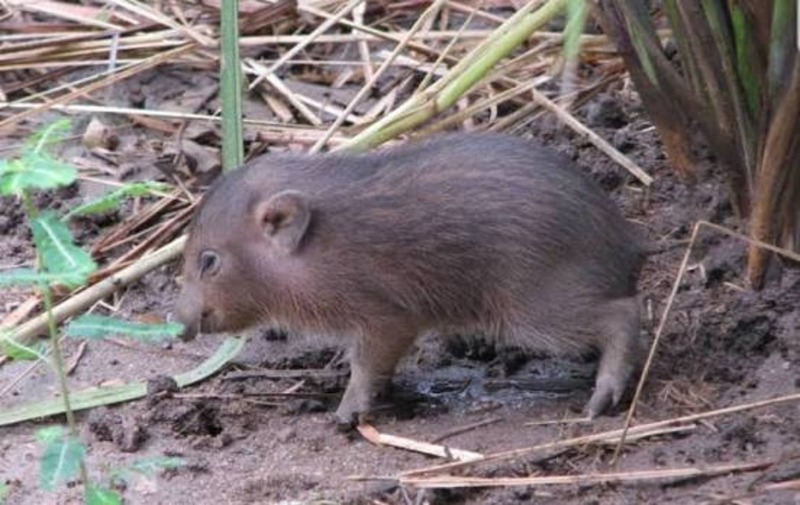
Deep in the grasslands of Assam lives a creature that is easy to overlook but impossible to ignore in the story of wildlife conservation—the pygmy hog, the world’s smallest and one of the rarest wild pigs.
For years, conservationists feared that the species had disappeared forever. Then, in 1971, a small group was rediscovered in Assam after taking shelter from a grassland fire. That discovery sparked a conservation journey that continues to this day.
Earlier this year, 15 captive-bred pygmy hogs were released into the wild, marking another important step in efforts to rebuild their dwindling population.
The rediscovery of the pygmy hog led to a partnership between the Durrell Wildlife Conservation Trust, the Assam Forest Department and the Ministry of Environment and Forests.
The goal was simple but ambitious: bring a small number of pygmy hogs into captivity and establish a breeding programme that could act as an insurance policy against extinction. In 1996, pygmy hogs were brought into captivity for breeding. Over the years, the programme successfully bred the animals and began returning them to suitable grasslands.
The long-term plan was to release 60 to 80 individuals over the next five years, continuing the process year after year.
But conservationists soon realised that breeding alone could not save the species. The pygmy hog depends on tall, healthy grasslands, and these habitats were steadily shrinking. Degradation, invasive weeds such as Chromolaena, and other pressures were changing the landscape the animals called home.
So, around 2020, conservationists intensified efforts to restore the grasslands. The pygmy hog is particularly valuable because it acts as an indicator species. It is highly sensitive to changes in its habitat. When pygmy hogs begin disappearing, it can signal that something is going wrong with the grassland ecosystem.
Protecting the tiny pig, therefore, means protecting an entire habitat—and the many other species that depend on it.
For Dr Parag Jyoti Deka, Project Director of the Pygmy Hog Conservation Programme, one moment captured the success of the mission. Speaking to BBC, Dr. Parag said that after years of breeding and releasing pygmy hogs, the team wanted concrete evidence that the animals were surviving and reproducing in the wild.
In 2017, camera traps provided that proof. The team spotted two tiny pygmy hogs beside their mother in the wild. For the people who had spent decades giving this species another chance, it was a deeply fulfilling sight.
From a handful of survivors to carefully planned releases, the pygmy hog’s story is a powerful reminder: when we save a species, we must also save the home that keeps it alive.
.jpeg)
I have a Masters in Literature and a knack for spotting the silver lining! When I’m not chasing good news, you’ll find me nurturing my farm or lost in a good book.