"Dream, Dream, Dream! Conduct these dreams into thoughts, and then transform them into action."
- Dr. A. P. J. Abdul Kalam
"Dream, Dream, Dream! Conduct these dreams into thoughts, and then transform them into action."
- Dr. A. P. J. Abdul Kalam
25 Apr 2026
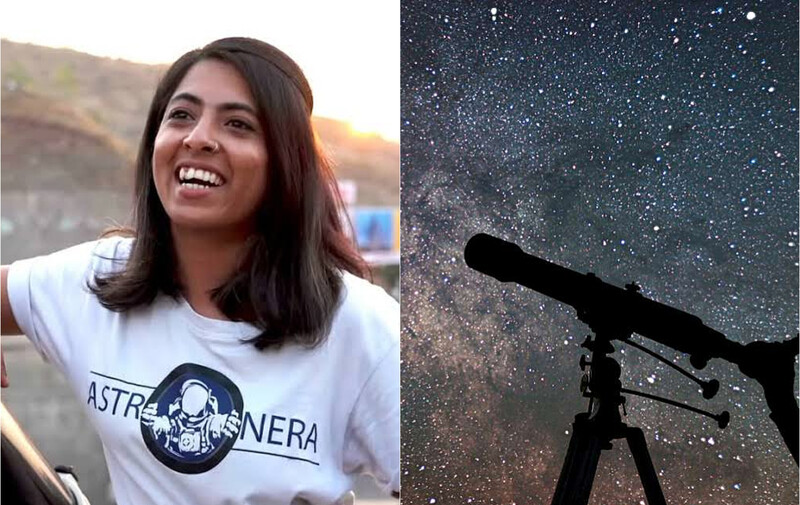
In a refreshing move that reconnects people with the wonders of the universe, Maharashtra is set to host its first-ever stargazing festival, turning its gaze from the bustling city lights to the silent brilliance of the night sky. Organised at the breathtaking Lonar Crater and the serene coastal town of Harihareshwar, this initiative is a celebration of curiosity, science, and the forgotten beauty of darkness.
Scheduled from April 24 to 26, the festival is a collaborative effort between AstronEra and the Maharashtra Tourism Development Corporation, aiming to introduce people to the magic of the cosmos while promoting sustainable and experience-based tourism.
At the heart of this initiative is Shweta Kulkarni, a Pune-based astronomy enthusiast whose fascination with the night sky began at the age of six. As a child, she often wondered why the stars seemed so faint and scarce. That simple question grew into a lifelong passion, eventually leading her to establish AstronEra in 2018. Her mission goes beyond organising stargazing sessions. It is about protecting the night sky itself. Kulkarni believes that the disappearance of stars due to light pollution is not just an environmental issue but a cultural and emotional loss. For her, the night sky is a bridge connecting science, heritage, and human imagination.
The festival is designed to be an immersive experience, combining observation with education. Participants will not only get a chance to observe celestial bodies through telescopes but also engage in interactive sessions led by astronomy experts. These sessions aim to simplify complex scientific ideas, making them accessible to students, families, and curious minds alike. What sets this festival apart is its focus on awareness. Discussions on light pollution and dark sky conservation will highlight how excessive artificial lighting affects ecosystems, human health, and even energy consumption. By understanding these impacts, participants are encouraged to adopt simple changes that can help restore the natural night environment.
The choice of locations is both strategic and symbolic. Lonar Crater, formed by a meteor impact thousands of years ago, is one of the most unique geological sites in the world. Its relatively low levels of light pollution make it an ideal spot for observing the night sky in its true glory. On the other hand, Harihareshwar offers a different kind of experience. Known for its pristine beaches and lush greenery, it provides a tranquil setting where the sound of waves complements the stillness of the night. Together, these locations create a perfect blend of science and serenity.
This initiative marks a significant step towards promoting astrotourism, a niche but rapidly growing segment of travel that focuses on celestial observation. Around the world, destinations with minimal light pollution are becoming popular among travellers seeking unique and meaningful experiences. By introducing such concepts, the Maharashtra Tourism Development Corporation aims to diversify tourism in the state. Officials believe that astrotourism not only attracts visitors but also encourages sustainable practices and supports local communities. It creates opportunities for local businesses while fostering a deeper appreciation for nature and science.
A key aspect of the festival is its alignment with the global dark sky movement, supported by organisations like Dark Sky International. This movement advocates for the reduction of light pollution to preserve the visibility of stars and protect natural ecosystems. AstronEra, as an endorsed partner of Dark Sky International, plays a crucial role in this effort. By digitising knowledge, conducting research, and engaging with communities, it aims to create awareness about the importance of preserving darkness.
The festival also coincides with International Dark Sky Week, further emphasising the need to “go dark” and reconnect with the night.
Shweta Kulkarni’s vision is to bring that connection back. She believes that when people experience the night sky in its natural form, they rediscover a sense of curiosity and humility. It reminds us of our place in the universe and inspires questions that go beyond the ordinary.
As Maharashtra celebrates the golden jubilee year of the Maharashtra Tourism Development Corporation, this festival represents a forward-looking approach to tourism. It shows how innovation can coexist with conservation, creating experiences that are both enriching and sustainable. The success of this initiative could pave the way for similar events across the country, encouraging more regions to explore the potential of astrotourism. It also highlights the importance of protecting natural resources not just for ecological reasons but also for cultural and educational value. As participants gather under the open sky at Lonar and Harihareshwar, they will not just witness the cosmos they will become part of a larger narrative, one that reminds us to look up, stay curious, and never lose our sense of wonder.
Romanticizing life and shaping stories from everything I see through my journalistic lens. Also, I love sports on the side.