"Dream, Dream, Dream! Conduct these dreams into thoughts, and then transform them into action."
- Dr. A. P. J. Abdul Kalam
"Dream, Dream, Dream! Conduct these dreams into thoughts, and then transform them into action."
- Dr. A. P. J. Abdul Kalam
11 Aug 2026
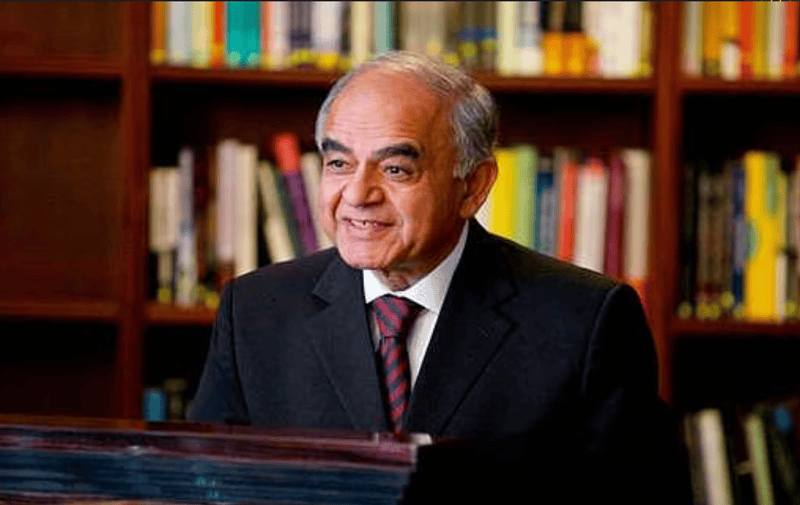
Long before Gurcharan Das became a celebrated author and public intellectual, his education in business began far from a corporate boardroom. At just 17, Das won a scholarship to Harvard University, where he graduated with honours in philosophy. After returning to India, he answered a newspaper advertisement and joined Richardson Hindustan, the company behind Vicks VapoRub. His first assignment took him “up-country”, where he visited merchants, studied markets and even went into consumers’ homes.
That early experience would give him a close-up view of Indian enterprise—and shape the thinking that would later become central to his writing.
Das went on to build an impressive corporate career, eventually becoming CEO of Procter & Gamble India and holding leadership roles across South and Southeast Asia. He later worked in strategic planning for P&G worldwide. Yet writing remained a constant companion.
For nearly 25 years, Das wrote during weekends while managing his demanding corporate career. Then, at 50, he made a life-changing decision: he left the corporate world to become a full-time writer. His landmark book India Unbound explored India’s economic transformation and argued that the reforms of 1991 could unleash the country’s entrepreneurial potential.
His later work, India Grows at Night, examined development, institutions and the forces influencing India’s progress. But Das’ intellectual journey has never been limited to economics.
In The Difficulty of Being Good, he returned to the Mahabharata to examine morality and dharma. Kama: The Riddle of Desire explored pleasure and desire, while Another Sort of Freedom reflected on his personal search for meaning.
Together, these works reflect his continuing engagement with the classical Indian aims of life and their relevance to the modern world.
At the 40th World Conference of Liberty International in Kathmandu, Das received the Lifetime Libertarian Award for his “lasting contribution to the advancement of liberty”. The honour makes him the first Indian writer to receive the award.
Accepting it, the 82-year-old author said he was delighted and spoke about the idea of “inner freedom”, which he described as India’s unique contribution to the Western idea of liberalism.
The award recognises more than a prolific literary career. It celebrates decades spent exploring freedom, entrepreneurship and individual responsibility. Das has also edited a 17-volume economic and business history of India for Penguin and served as chair of the Board of Trustees of the Centre for Civil Society.
As the world grapples with questions about freedom and individual choice, Das believes the work of Liberty International is more relevant than ever.
For a man who moved from Harvard classrooms and Indian bazaars to corporate leadership and eventually the writer’s desk, the award marks another remarkable chapter in a life devoted to understanding—and defending—the many dimensions of freedom.
.jpeg)
I have a Masters in Literature and a knack for spotting the silver lining! When I’m not chasing good news, you’ll find me nurturing my farm or lost in a good book.