
"Dream, Dream, Dream! Conduct these dreams into thoughts, and then transform them into action."
- Dr. A. P. J. Abdul Kalam
"Dream, Dream, Dream! Conduct these dreams into thoughts, and then transform them into action."
- Dr. A. P. J. Abdul Kalam
11 Mar 2026
In a world struggling with growing waste and environmental damage, innovative ideas that combine sustainability with practical solutions are becoming increasingly important. One such inspiring initiative is Re-Coco Innovations Pvt. Ltd., a company that has found a meaningful way to transform coconut waste into eco-friendly gardening products. Coconuts are widely consumed across India, especially in coastal regions and urban markets. However, the husks and leftover shells often become waste, piling up in landfills or being burned, which harms the environment. Re-Coco Innovations looked at this problem differently. Instead of seeing coconut waste as garbage, they saw it as an opportunity. The company’s mission is simple yet powerful: to recycle coconut waste and convert it into natural gardening solutions that help people grow plants while protecting the planet.
At the heart of Re-Coco Innovations is a commitment to redefining waste management through innovation and sustainability. The company collects tender and brown coconut waste and transforms it into biodegradable gardening products that support healthy plant growth. These products are designed with high water retention capacity, which means they hold moisture for longer periods. This reduces the need for frequent watering, making gardening easier for people who live busy urban lifestyles. From balcony gardeners in cities to farmers managing larger agricultural lands, the products are built to support low-maintenance yet high-yield cultivation. In essence, Re-Coco Innovations is helping people grow more while using fewer natural resources.
The philosophy behind the company is rooted in a simple but powerful idea: giving back to the Earth instead of taking more from it. By recycling coconut waste, the company is preventing large amounts of organic material from ending up in landfills. Instead, the waste is converted into natural and biodegradable products that improve soil health and promote sustainable gardening. So far, more than 10,000 kilograms of coconut waste have been recycled, turning what was once considered waste into valuable resources for gardening and agriculture. Even more importantly, the company ensures that 100% of its products are natural and biodegradable, meaning they break down safely without harming the environment. This approach reflects a broader vision of building a circular economy, where waste materials are reused and reintegrated into the production cycle rather than discarded.
Re-Coco Innovations believes that sustainability should not be limited to environmental experts or large industries. Instead, it should be accessible to everyone, from individuals growing plants on their balconies to farmers managing acres of land. The company’s vision is to create affordable, biodegradable gardening solutions that encourage people to adopt greener lifestyles. Urban homes today are increasingly embracing kitchen gardens and terrace farming. However, maintaining plants can often be challenging due to limited time and water availability. By offering soil solutions with superior water retention, Re-Coco products make gardening simpler, helping plants thrive even with minimal maintenance. This makes sustainable living practical for everyday people, not just an ideal concept.
Behind every meaningful innovation are individuals who combine knowledge with passion. Re-Coco Innovations is led by two inspiring women whose backgrounds bring unique strengths to the company. Kritika Sharma—Educator Turned Eco-Entrepreneur—serves as the Managing Director of the company. Her journey from educator to eco-entrepreneur reflects a powerful blend of analytical thinking and creative vision. With her academic background, Kritika brings both precision and purpose to the company’s mission of sustainable innovation. She believes that environmental responsibility must be combined with practical solutions that people can easily adopt in their daily lives.
Another key pillar of the organization is Archana Sharma, the Director of Operations and Community Engagement. Archana brings deep grassroots connections and a passion for social development. Her strong network with NGO volunteers, community groups, and women’s organizations has helped the company create meaningful employment opportunities for rural women. By integrating these communities into the production process, Re-Coco Innovations is not only addressing environmental challenges but also supporting livelihoods and empowering women. For many rural women involved with the company, the work offers both financial independence and a chance to contribute to environmental conservation.
One of the most powerful aspects of Re-Coco Innovations is its human-centered approach to sustainability. Environmental solutions often focus only on technology or production. But Re-Coco recognizes that real change happens when people, communities, and nature work together. Every recycled coconut husk represents more than just a product. It represents less waste going into landfills, more opportunities for rural communities, healthier soil and plants and a step toward a greener planet. For urban gardeners, using these products can mean growing fresh herbs or vegetables on a small balcony. For farmers, it means improving crop productivity while protecting the soil. In both cases, sustainability becomes something personal and meaningful.
The story of Re-Coco Innovations reminds us that big environmental changes often begin with small ideas. A coconut husk discarded on the roadside might seem insignificant. But when thousands of such husks are collected, recycled, and transformed into useful products, the impact becomes powerful. By turning waste into opportunity, Re-Coco Innovations is proving that sustainability is not just about protecting nature—it is about reimagining the way we use resources. As the world searches for solutions to environmental challenges, initiatives like this demonstrate that innovation, community involvement, and responsible thinking can create a future that is both green and hopeful.
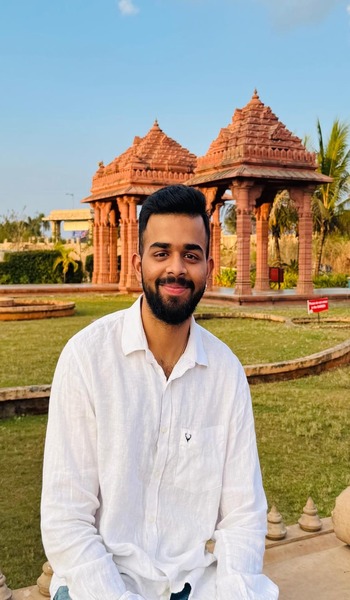
Romanticizing life and shaping stories from everything I see through my journalistic lens. Also, I love sports on the side.
