"Dream, Dream, Dream! Conduct these dreams into thoughts, and then transform them into action."
- Dr. A. P. J. Abdul Kalam
"Dream, Dream, Dream! Conduct these dreams into thoughts, and then transform them into action."
- Dr. A. P. J. Abdul Kalam
14 May 2026
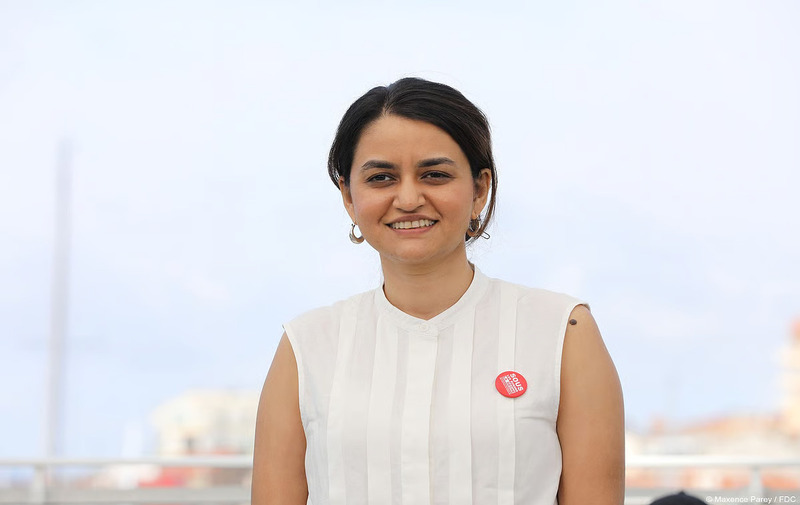
In 2024, Indian filmmaker Payal Kapadia made history when her film All We Imagine as Light won the prestigious Grand Prix at the 77th edition of the Cannes Film Festival. The victory marked a turning point not just for Kapadia, but for Indian independent cinema itself.
Now, in 2026, she has returned to Cannes in an even more influential role.
Kapadia has been appointed President of the jury for the 65th edition of Cannes Critics’ Week, also known as Semaine de la Critique, becoming the first Indian filmmaker ever to lead the prestigious sidebar section dedicated to emerging cinematic voices. For Indian cinema, especially independent storytelling, the moment feels monumental.
What makes Kapadia’s rise even more inspiring is how unexpectedly it all began.
Long before global red carpets and standing ovations, she joined her boarding school’s film club simply because it meant getting to watch one extra movie every Friday. That curiosity slowly evolved into a cinematic vision that would eventually capture the attention of the world.
At the Film and Television Institute of India, Kapadia chose a path very different from commercial filmmaking trends. Her stories were intimate, political, deeply human, and quietly emotional. They focused on ordinary lives and complex emotions rather than spectacle.
Before her Cannes triumph, Kapadia had already begun attracting international attention through her short films.
Her works Afternoon Clouds and And What Is the Summer Saying were showcased at prestigious global platforms, including the Cinéfondation and Berlinale.
Then came her debut feature documentary, A Night of Knowing Nothing, which premiered at Cannes in 2021 and won the L’Oeil d’Or award for Best Documentary.
But it was All We Imagine as Light that changed everything. The film became the first Indian movie in 30 years to compete in Cannes’ main competition. The film, starring Kani Kusruti and Divya Prabha, explored friendship, loneliness, love, and identity through the lives of two nurses navigating life in Mumbai.
Critics across the world praised its emotional depth and poetic storytelling. Soon, awards and acclaim followed from international festivals and film circles alike.
Kapadia’s Cannes journey did not stop with the Grand Prix.
In 2025, she returned to serve on the main competition jury at Cannes, helping select the festival’s top honour, which eventually went to It Was Just an Accident by acclaimed Iranian filmmaker Jafar Panahi.
Now, as President of the Critics’ Week jury in 2026, Kapadia joins a panel featuring Quebecois actor Théodore Pellerin, singer-songwriter Oklou, Ghanaian-British producer Ama Ampadu, and Bangkok World Film Festival director Donsaron Kovitvanitcha. The appointment signals how deeply respected Kapadia has become within the international film community.
Kapadia has also spoken passionately about the importance of film criticism and nurturing first-time filmmakers.
Calling film criticism “one of the key components of the independent and art house film ecosystem,” she highlighted how debut films are often “freer, more daring and fearless.”
Her words reflect her own cinematic journey, one built not on formulas but on authenticity. Today, Payal Kapadia is no longer just representing Indian cinema abroad. She is actively shaping global cinema conversations.
And perhaps that is what makes her story so powerful.
.jpeg)
I have a Masters in Literature and a knack for spotting the silver lining! When I’m not chasing good news, you’ll find me nurturing my farm or lost in a good book.