"Dream, Dream, Dream! Conduct these dreams into thoughts, and then transform them into action."
- Dr. A. P. J. Abdul Kalam
"Dream, Dream, Dream! Conduct these dreams into thoughts, and then transform them into action."
- Dr. A. P. J. Abdul Kalam
10 Apr 2026
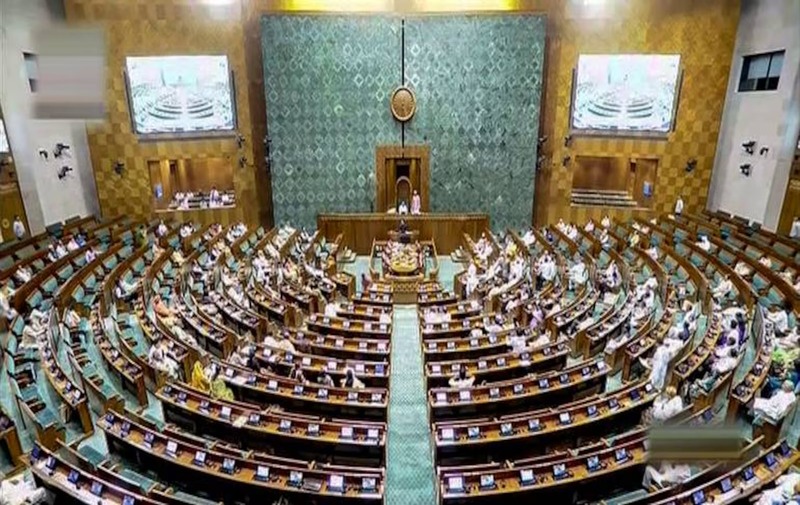
In a democracy as vast and diverse as India, every voice matters. Yet for decades, one voice, half the population, has often been underrepresented in the very institutions meant to represent it. Now, a decisive step is being taken to change that narrative. With the Union Cabinet approving crucial Constitutional amendments, the country is moving closer to implementing the long-awaited Nari Shakti Vandan Adhiniyam, which mandates a 33 per cent reservation for women in the Lok Sabha and state legislative assemblies. More than just a policy shift, this move signals a deeper transformation, one that aims to bring balance, inclusivity, and equity into the heart of governance.
For years, the idea of reserving seats for women in legislative bodies has been discussed, debated, and delayed. While the law itself marked a historic milestone, its implementation remained tied to procedural steps such as delimitation and updated census data. The latest amendments aim to break that deadlock. By allowing the use of the 2011 Census data instead of waiting for future figures, the government has created a pathway to accelerate the process. This seemingly technical decision carries significant weight. It removes a major bottleneck and brings the promise of representation closer to reality. It is no longer just about passing a law; it is about making it work.
Alongside the reservation amendments, the Cabinet has also cleared a Delimitation Bill, setting the stage for a broader restructuring of India’s electoral framework. Delimitation, the process of redrawing constituency boundaries based on population, plays a crucial role in ensuring fair representation. The proposed expansion of the Lok Sabha from 543 to 816 seats is a significant part of this plan. Out of these, around 273 seats are expected to be reserved for women. This expansion is not just about numbers. It reflects an attempt to align political representation with demographic realities while creating space for greater inclusion. At the same time, the government has assured that the interests of southern states will be protected, addressing concerns about regional balance during the delimitation process.
The impact of this reform goes beyond legislative halls. It touches the very foundation of democracy. When more women enter politics, the nature of governance begins to change. Studies across the world have shown that increased female representation often leads to greater focus on issues such as healthcare, education, social welfare, and gender equality. In India, where women have long played crucial roles in families and communities, their presence in decision-making spaces can bring new perspectives and priorities. It is about ensuring that policies are not just made for women, but also by them.
India has already seen the impact of reservation at the local level. Panchayati Raj institutions, where seats have been reserved for women for years, have demonstrated how inclusion can transform governance. Women leaders in villages have brought attention to issues like sanitation, water supply, education, and healthcare areas that directly affect daily life. The success of these grassroots initiatives offers a glimpse of what could happen on a larger scale. It shows that when given the opportunity, women do not just participate—they lead effectively.
While the reform is a significant step forward, its success will depend on implementation. Ensuring that women representatives have the support, resources, and training needed to perform effectively will be crucial. There is also the broader challenge of changing societal attitudes. Representation in numbers must be accompanied by acceptance in practice. However, every major change begins with a first step. And this step is both bold and necessary.
As the amendments move toward parliamentary approval, they carry with them the weight of expectation and hope. The upcoming sessions of Parliament are likely to shape the future of this reform, reflecting the urgency and importance attached to it. For India, this is more than a legislative exercise. It is a moment of reflection and progress, a chance to redefine what representation truly means. Because democracy is not just about elections or institutions. It is about people. It is about ensuring that every voice, every perspective, and every experience finds a place in the system. And as more women take their seats in the halls of power, the story of Indian democracy will become richer, more inclusive, and more complete. In the end, this is not just about reserving seats. It is about making space for voices that have waited far too long to be heard.
Romanticizing life and shaping stories from everything I see through my journalistic lens. Also, I love sports on the side.