"Dream, Dream, Dream! Conduct these dreams into thoughts, and then transform them into action."
- Dr. A. P. J. Abdul Kalam
"Dream, Dream, Dream! Conduct these dreams into thoughts, and then transform them into action."
- Dr. A. P. J. Abdul Kalam
13 Nov 2026
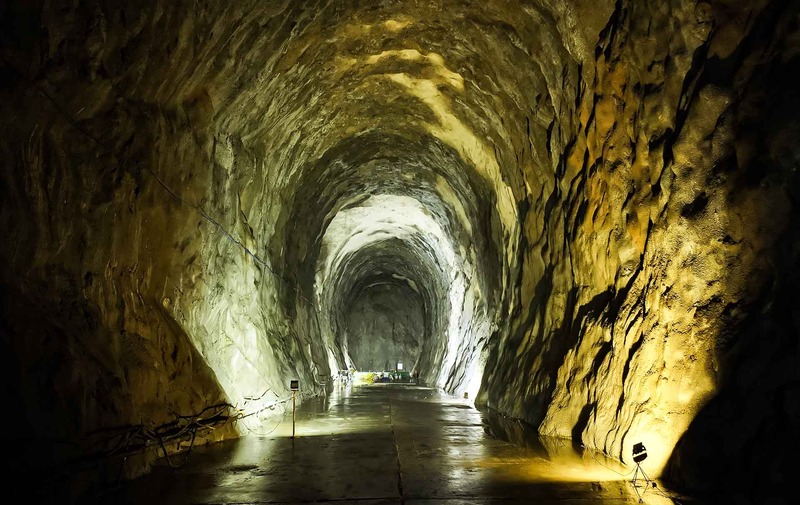
India has taken a significant step towards strengthening its energy security with the inauguration of its largest underground Liquefied Petroleum Gas (LPG) storage cavern in Mangaluru, Karnataka. Prime Minister Narendra Modi dedicated the facility to the nation on November 13, 2026, marking an important addition to the country's strategic energy infrastructure.
Built at an investment of over Rs 850 crore, the cavern has a storage capacity of 80,000 metric tonnes. It is India's second underground LPG storage facility and the largest of its kind in the country.
Developed by Megha Engineering & Infrastructures Ltd for Hindustan Petroleum Corporation Ltd (HPCL), the facility has been engineered deep inside solid rock to provide a secure storage space for liquefied petroleum gas.
The main storage cavern is located approximately 156 metres below sea level, which is around 120 metres beneath ground level. Its construction involved creating two enormous underground tunnels measuring 1,220 metres and 225 metres in length.
The project also required digging an access tunnel stretching over a kilometre, with certain sections reaching depths of 128 metres below sea level. With the capacity to hold approximately six lakh barrels, equivalent to 60 million litres of LPG, the facility adds substantial storage capability to India's energy infrastructure.
The underground cavern is supported by a 9.4-kilometre pipeline connecting New Mangalore Port to the main terminal. This pipeline will facilitate the transportation of LPG from the port to the storage facility.
The project was approved in 2018, and construction began in 2019. Before becoming operational, the cavern underwent a comprehensive Cavern Acceptance Test between May 9 and June 6 to assess its structural integrity and operational safety.
India already has an underground LPG storage cavern at Visakhapatnam, with a capacity of 60,000 metric tonnes. The new Mangaluru facility, with an additional capacity of 80,000 tonnes, expands the country's ability to maintain strategic LPG reserves.
Mangaluru is also home to two major underground crude oil storage facilities at Permude and Padur, with capacities of 1.5 lakh and 2.5 lakh metric tonnes respectively. As LPG remains an essential cooking fuel for millions of Indian households, strengthening storage infrastructure is important for managing supply disruptions and meeting growing demand.
With this massive underground cavern joining India's energy network, the country adds another layer of preparedness to its efforts towards building a more secure and reliable energy future.
.jpeg)
I have a Masters in Literature and a knack for spotting the silver lining! When I’m not chasing good news, you’ll find me nurturing my farm or lost in a good book.