"Dream, Dream, Dream! Conduct these dreams into thoughts, and then transform them into action."
- Dr. A. P. J. Abdul Kalam
24 Nov 2026
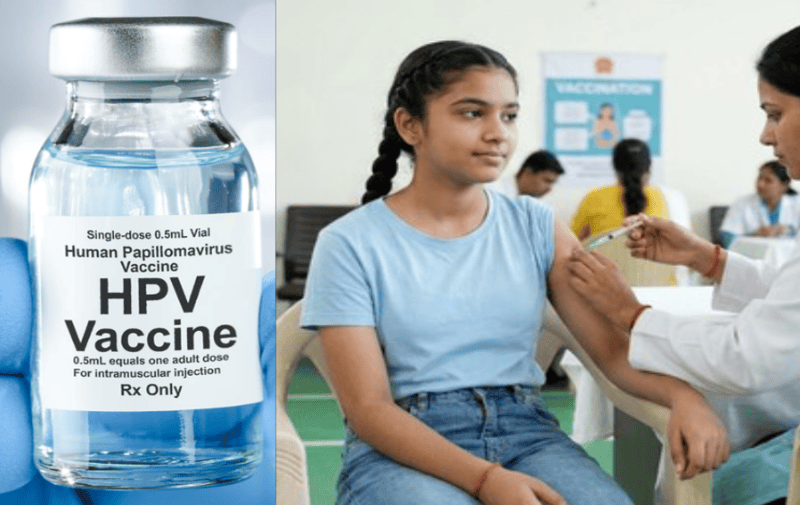
India has reached an important milestone in its fight against cervical cancer, administering more than one crore doses of the Human Papillomavirus (HPV) vaccine to 14-year-old girls in less than nine months. The achievement has earned appreciation from the World Health Organization (WHO), which has congratulated the country for its progress in strengthening preventive healthcare.
With nearly 87% of the annual target covered, the campaign marks a significant step towards making cervical cancer prevention more accessible to young girls across the country.
Congratulating India on the achievement, WHO highlighted the collective efforts of the government, healthcare workers, communities, parents and partners in making the vaccination drive successful. The organisation emphasised the importance of ensuring that every eligible girl has access to HPV vaccination, an important tool in preventing cervical cancer.
The WHO South-East Asia Regional Office also welcomed the milestone, recognising the collaborative effort behind reaching millions of young girls with this preventive protection.
Prime Minister Narendra Modi also commended the healthcare teams and other stakeholders involved in administering one crore vaccine doses.
He described the achievement as an important milestone in India's preventive healthcare journey, highlighting how every dose brings the country closer to protecting girls from cervical cancer and building a healthier future.
Vice President C. P. Radhakrishnan and Union Health Minister J. P. Nadda also congratulated the healthcare professionals, state governments and officials who contributed to the nationwide effort.
Launched by the Prime Minister in February 2026 under the National HPV Vaccination Campaign, the initiative provides free, safe and voluntary single-dose HPV vaccination to 14-year-old girls. The vaccine is administered at designated government health facilities with parental consent, making preventive protection accessible without financial barriers for eligible families.
HPV, or Human Papillomavirus, is a common virus, and certain high-risk types are responsible for most cases of cervical cancer. Vaccination at the recommended age helps protect girls before potential exposure to the virus.
Cervical cancer remains an important public health challenge, but vaccination offers an effective opportunity to prevent many future cases.
Crossing the one-crore-dose mark is more than a numerical achievement. It represents millions of opportunities to protect young girls and reduce the future burden of a preventable disease.
With the campaign continuing to reach more eligible girls, India is taking an important step towards a future where cervical cancer prevention becomes an integral part of women's healthcare.
.jpeg)
I have a Masters in Literature and a knack for spotting the silver lining! When I’m not chasing good news, you’ll find me nurturing my farm or lost in a good book.